The Society of Chartered Surveyors Ireland and Teagasc published their yearly review of the agricultural land market in late April. The report, which is now in its thirteenth year, gives a full picture of a land market that did well in 2025 but is now facing problems that started far from the farm.
The main figures for 2025 are clear. The average price for a good plot of agricultural land in the country was €14,126 per acre, which is 7% more than the year before. The average price of poor-quality land was €6,963 per acre, which is 5% more than last year. Rental prices went up by an average of 10% for all types of farming, but the increase was not spread evenly.
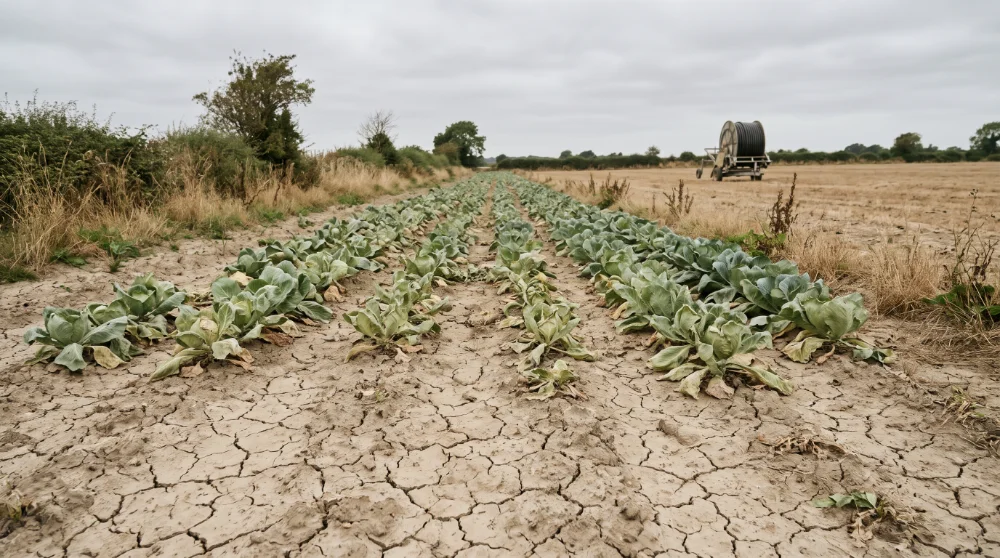
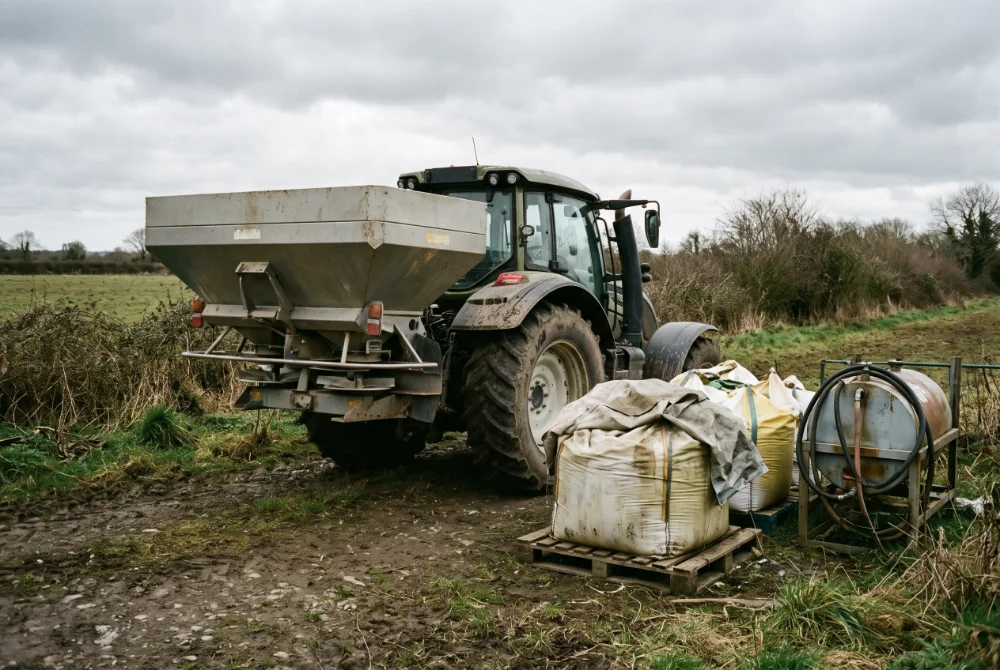
The tone of the report changes in the forward-looking section. Farmland and rental prices are expected to rise by an average of 4% in 2026, which is down from the previous year. The report says this is because people are worried about what things will cost, how much it will cost to make things, and what is happening in the world. It says that problems with energy markets in the US and Israel, which are fighting with Iran, are a reason for higher fuel and fertiliser prices in Europe.

The Regional Picture: Wexford is in the lead, and Connacht/Ulster is growing fastest.
The numbers are very different for each county. Wexford was the place where land was priced highest, with an average price of €19,226 per acre. Kildare was the next place where land was priced highly, with an average price of €19,200 per acre. The cheapest land in Leitrim was €3,772 per acre.
At provincial level, Leinster has the highest average land prices, with good quality land fetching €16,603 per acre, up 9 per cent. The price of poor-quality land in Leinster stayed the same at €8,344. In Munster, prices remained the same. Good quality land cost €15,404 and poor quality land cost €6,868.
The most significant movement was in Connacht and Ulster. Prices are still lower than usual, but the region has seen the fastest yearly growth. The average price of good quality land was €10,372 per acre, which is 17% more than last year. The average price of poor quality land was €5,677 per acre, which is 20% more than last year. The places where prices went up most were Roscommon, Donegal and Monaghan.
Dr Frank Harrington, head of the SCSI’s Rural Agency, said that demand for poorer and marginal land in some areas has been supported by forestry-related activity. People from Northern Ireland were buying farms and other property in border counties like Monaghan and Donegal.
The Rental Market: Munster and Connacht/Ulster are doing better than Leinster.
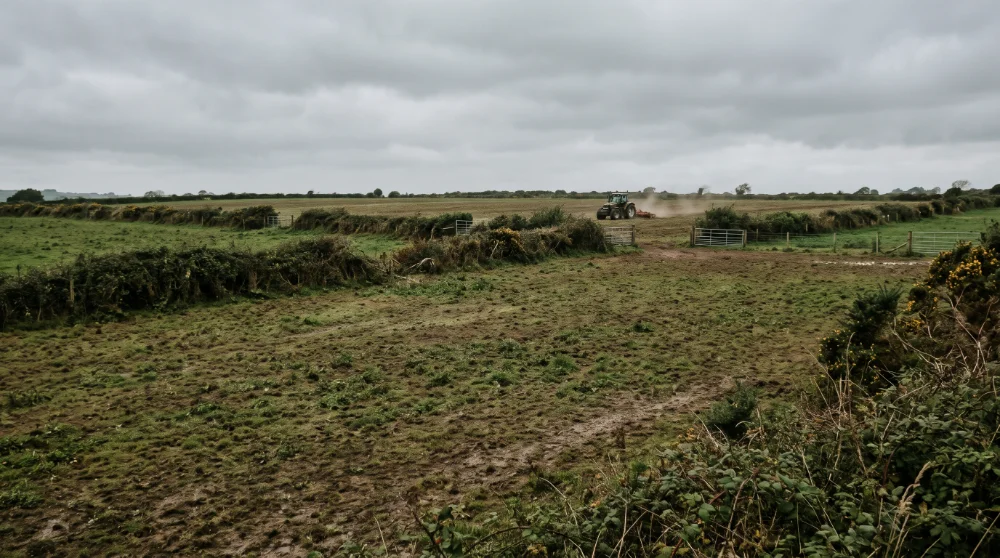
The price of renting went up by 10% across the country in 2025, but the numbers for each province were very different. Leinster saw an average increase of just 2 per cent. Munster saw a 17 per cent increase, while Connacht and Ulster both saw an 18 per cent increase.
The detail behind the Munster figures shows that there is a particularly strong demand for specialised crop land. The price of renting land for growing cereal crops in Munster went up by 23 per cent, while land used for growing potatoes went up by 27 per cent. The amount of land used for grazing and meadowing in the province went up by 19 per cent, to €350 per acre.
The report also says that more and more people are choosing to rent for longer periods of time. Most agents (84%) said that farmers usually pay more per acre for similar quality land in the long term compared to short term. The total number of short-term rentals was lower than the previous period, showing a continued decrease in short-term bookings.
The 2026 Outlook: Be careful because things outside are affecting us.
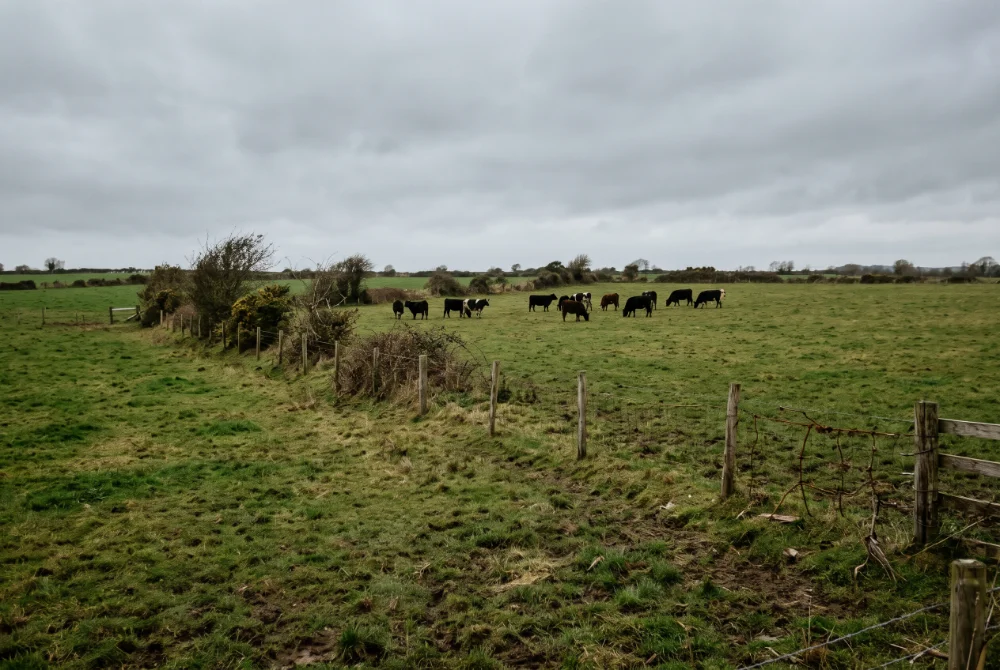
The report’s prediction of 4% growth in both sales and rental values for 2026 is a lot more cautious than in recent years. The 2025 report predicted that land prices would go up by 6 per cent and rental prices by 7 per cent.
The main reason given is the effect of the Middle East conflict on how much it costs to make the product. Teagasc economist Dr Jason Loughrey said that changes in energy markets have led to higher costs for fuel, fertiliser, machinery hire and other inputs, which affects how profitable farms are. He said that although it is not yet clear how the war will end or how long it will last, it is likely that prices of fertiliser and energy will stay high until 2026 and possibly even until 2027.
This comes after a good 2025 for farm incomes in some areas. Loughrey said that cattle businesses did very well last year. The price of finished cattle went up by 39 per cent and the price of weanling cattle went up by 70 per cent. Dairy farms made more money, thanks to higher milk prices and higher production.
Things will be different in 2026. Dairy margins are expected to fall a lot, with Loughrey saying that net margins could be over 50 per cent lower than last year because prices are lower and costs are higher. Income from beef is expected to moderate, but prices are still expected to be higher than usual. Sheep farmers are finding it more and more expensive to produce sheep.
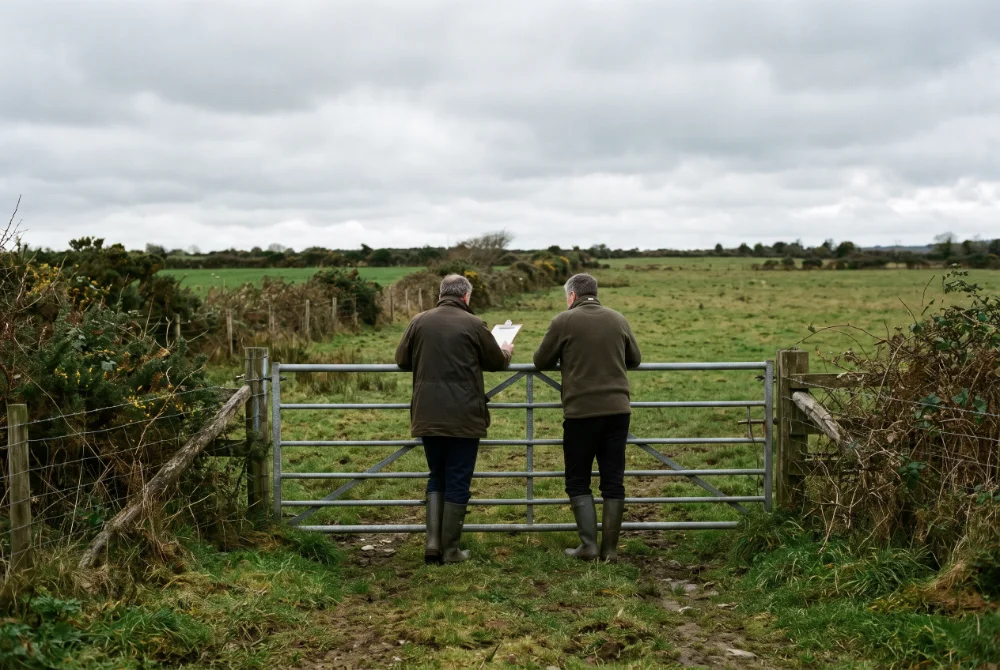
Who is buying, and why is there still a shortage of supply?
The report provides insight into how the market is organised. The Central Statistics Office says that only about 0.5 per cent of agricultural land is sold each year. This scarcity is a key reason why prices are high. Of all the ways land becomes available, the most common ones are when a person dies without a will and when a person sells their land and property after they die.
Dairy farmers are still seen as the most active buyers, with drystock farmers and tillage farmers following behind. Dr Harrington said that farms are getting bigger all the time. This is because it makes things more efficient and it makes sure that farms will be there for a long time.
The report also includes a special analysis on the risks in Irish agriculture, with a focus on dairy farming. It found that dairy farmers think market risks, like changes in the price of dairy products and rising costs of production, are very important. Almost one-third of dairy farmers think that the most important things are things that could happen to them personally, like what will happen to their farm in the future, their health and how safe their farm is. About a quarter of people think that policy changes and environmental obligations are the most important risks.
The report doesn’t mention the following:
The report does not predict a fall in land prices. The predicted growth of 4 per cent is still growth. This doesn’t mean the market is overheating or that there will be a correction soon. What it does describe is a market that is being shaped by forces that Irish farmers and landowners can’t control. The war in the Middle East, rising energy prices, higher fertiliser costs and global supply chain problems are all things that individual farmers can’t do anything about. The report’s warning is a sign that this is true.
Teagasc’s director, Professor Frank O’Mara, said in the report that the war shows how much Irish farming is affected by global supply chains and economic shocks from other countries. This is true for the land market as well as any other part of the sector. If a farmer is thinking about buying land in 2026, they are not just thinking about how much the land costs, but also how much it can produce. They are also thinking about how much the fertiliser will cost, how much the fuel will cost, and what they will get paid at the end of the season. The 4 per cent forecast shows that the market is still doing well, but people are a bit more cautious than they were a year ago.
Information from:
Teagasc. It is thought that the price of agricultural land and the rent for its use will go up by 4%. 28 April 2026.
Teagasc. The report is called “SCSI/Teagasc Agricultural Land Market Review and Outlook Report 2026”. 28 April 2026.
SCSI and Teagasc. The full report is called “Agricultural Land Market Review and Outlook 2026” (PDF). April 2026.
Teagasc. “Prices of land sold nationally and in different regions.” 28 April 2026.
Teagasc. “A more challenging year lies ahead for the agricultural industry in 2026.” 28 April 2026.
RTÉ. SCSI says that farmland sales prices will go up by 4% in 2026. 28 April 2026.